Disabled model agency alternative
For models with disabilities who want paid bookings, not months of waiting on a board in another city. Publish one reviewed profile with your photos, city, rate and access needs. Adaptive and inclusive brands, photographers and casting teams find you and email you directly, with no commission taken.
Adults only. Every profile is read by a person before it goes public.
The short answer
Do models with disabilities need an agency?
No. A handful of inclusive agencies represent disabled models, and the best known one in the US asks applicants to live near New York City or Los Angeles and signs them exclusively. Everywhere else, adaptive clothing brands, activewear labels, healthcare marketers and photographers cast disabled models themselves, city by city and date by date.
MaxGirls is a reviewed model directory, not an agency. Your profile carries your photos, categories, city, height, date of birth, a day-rate range and your availability, and your headline says the rest in your own words. Clients filter the directory and email you. We take no commission on what you book.
28.7%
of US adults report a disability, more than 70 million people
CDC, 2022 survey data, published July 2024
1%
of nearly 450,000 US primetime TV ads included disability
Nielsen, February 2021 ads
$57M
of $1.6 billion in that ad spend went to disability-inclusive ads
Nielsen, same study
That gap is the opportunity. More than one adult in four has a disability and almost no advertising shows one, so brands that do cast disabled models often struggle to find them outside two cities. Nielsen also found that, after pharma and healthcare, carmakers and mortgage brands spent the most on disability-inclusive ads, which tells you who to make yourself findable to.
Models with disabilities, by who is hiring
Who books disabled models
- Adaptive clothing and footwear Seated cuts, magnetic closures, easy-on shoes. They need models who use the features, because the photo has to show the garment working.
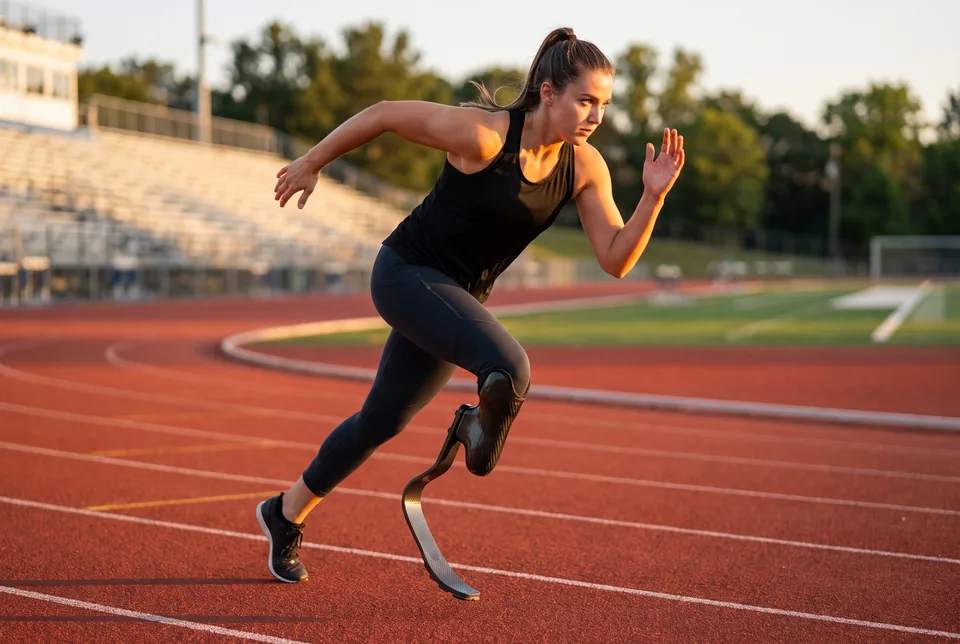
- Activewear and sport Running, training and outdoor brands casting athletes with prosthetics, wheelchair users who train and para athletes.
- Healthcare, pharma and insurers The biggest spenders on disability-inclusive ads. Hospitals, device makers and insurers cast real patients and real users.
- Banks, carmakers and mortgage The next biggest spenders in the Nielsen study: people with disabilities at home, at work, behind the wheel.
- Stock and lifestyle Stock photographers and content studios short on inclusive images, shooting everyday life in homes and offices.
A disabled model agency or a direct listing
The middle column is taken from ZBD Talent's US apply page, read in September 2026. Other inclusive agencies work differently, and your own contract is the only one that binds you.
- Where you must live
- An inclusive agency (ZBD US) Near New York City or Los Angeles, for the US board
- MaxGirls Anywhere in the US. Clients filter by city
- Who gets in
- An inclusive agency (ZBD US) The agency picks from applications with photos to its spec
- MaxGirls Any adult with a real, complete profile
- Exclusivity
- An inclusive agency (ZBD US) Sole agency, so you cannot be represented elsewhere
- MaxGirls None. Keep any agency you already have
- Commission on your fee
- An inclusive agency (ZBD US) Agencies commonly take a percentage of each booking
- MaxGirls None. We never see what you were paid
- Who negotiates usage
- An inclusive agency (ZBD US) The agent, which is real value on a national campaign
- MaxGirls You do, with the client, in writing
- What it costs you
- An inclusive agency (ZBD US) Nothing up front. The commission is the price
- MaxGirls $19 a month on Talent, $49 on Talent Pro. Cancel any month
How a disabled model agency and a direct listing differ for models with disabilities in the US
Where an agency genuinely wins
If you live in New York or Los Angeles and ZBD or another inclusive board offers to sign you, take the meeting. An agent who knows the adaptive brands and negotiates usage on a national campaign earns the commission on that one job. Read the exclusivity clause first. If you are anywhere else, or you want local brands and photographers to find you between agency bookings, a direct profile does that work.
Adaptive modeling, on your terms
What to put on a disabled model profile
A client casting for adaptive or inclusive work is reading for two things: are you the person in the brief, and can their set work for you on the day. Answer both before they have to ask.
Your disability, in your words
Wheelchair user, below-knee amputee, Deaf, limb difference, low vision, chronic illness. Say what you are comfortable saying. Adaptive briefs search for exactly this, and there is no filter for it, so the headline carries it.
Your mobility aid, and what kind
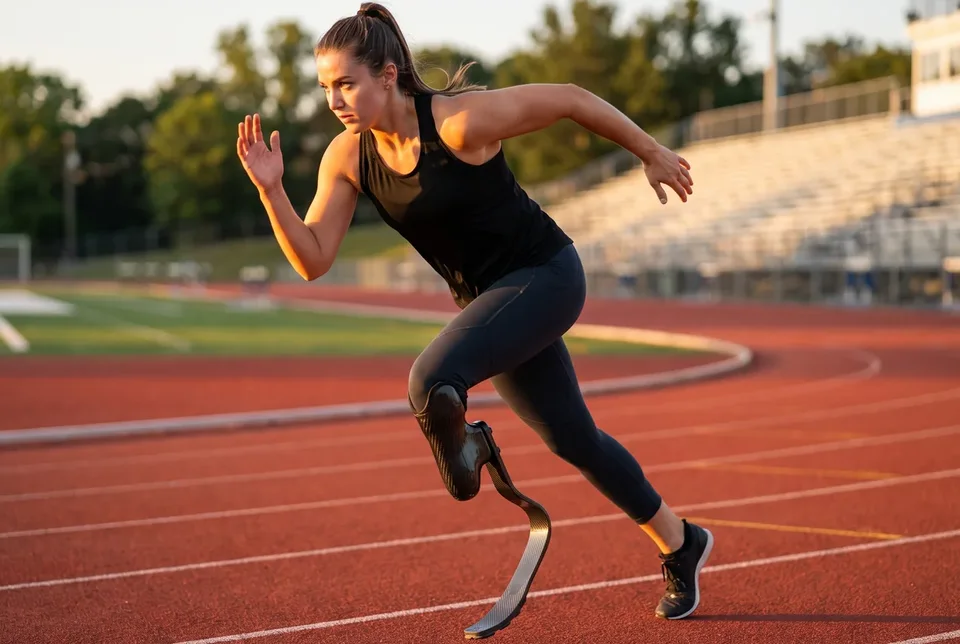
Manual or power chair, prosthetic and which type, crutches, cane, guide dog. A wardrobe team pulling seated cuts or a set designer building a scene needs to know.
Access needs for the day
Step-free entrance and restroom, parking, breaks, an ASL interpreter, a seated changing area. Stating it up front means the client books the right studio instead of cancelling you.
Sizes, seated and standing
Standard sizes plus a seated measurement if you use a chair. Adaptive brands cut seated garments differently and buy wardrobe before the shoot.
What you can do on camera
Sport, dance, driving, cooking, parenting, working at a desk. Lifestyle and activewear clients book the activity, not only the face.
What you will not do
Briefs you decline, such as "inspiration" stories that make your disability the whole point. It saves both sides an email.
Adaptive modeling across categories
Where models with disabilities get booked
Disability is not a separate category on MaxGirls, the same way it is not a separate kind of booking. You list in every category you work in, and your headline says the rest. These carry most of it.
Getting listed
Four steps, about twenty minutes
No application fee, no test shoot you pay for. "Disabled models wanted" posts attract people new to modeling, and some are paid photo packages dressed up as castings. If anyone asks you to pay to be considered, read how to spot a modeling scam first.
- Shoot five current photos A headshot, a full length (seated if you use a chair), and three shots doing ordinary things in daylight. Phone photos are fine to start. Show your mobility aid if you use one; clients want to see what they are casting.
- Pick every category that fits Commercial is where most inclusive briefs filter first. Add fitness if you train, fashion if you shoot apparel, creator if you post. Each one is another search that returns you.
- Write a headline a casting team can use Your disability in your words, your city, how far you travel and the access you need. That line decides whether the email arrives.
- Set a day rate and keep availability current Your rate range is visible before anyone writes, so the first message is about the booking, not about money. Availability is one click.
Questions
Disabled modeling, answered
Something missing? Write to support@maxgirls.com and a person will answer it.
Can disabled people be models?
How do I become a disabled model?
Is there a modeling agency for disabled people in the US?
Is there a wheelchair modeling agency?
Where do I find disabled models wanted near me?
How much do disabled models get paid?
Do I have to tell a client about my disability?
What is adaptive fashion modeling?
Get started
Publish your look, your city and what your set needs.
Create your profile, and a person will review it before it goes live.